
What Your Hygienist Does Differently in a Deep Cleaning vs. a Regular Cleaning
Posted by Dr. Nubia Díaz on Tue, 10 Feb 2026
Learn the difference between regular and deep dental cleanings and how each helps protect your teeth and gums.
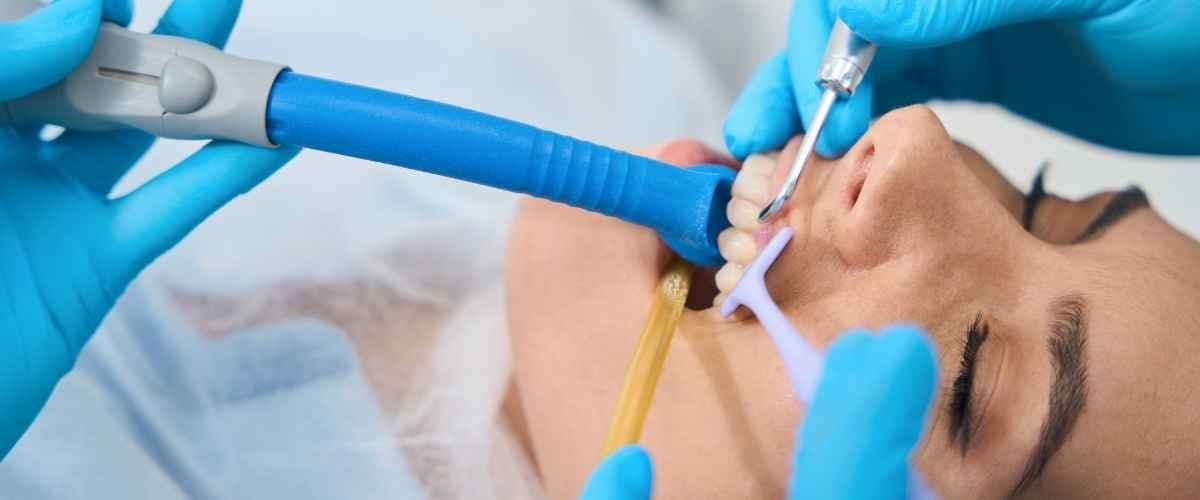
When patients hear the term "deep cleaning," they often imagine something complex, expensive, or even intimidating. In reality, both regular and deep cleanings are routine procedures designed to protect your smile. The difference lies in where the cleaning happens and why it is necessary..
Regular Cleaning (Prophylaxis)
A regular cleaning is a preventative treatment performed on patients with healthy gum tissue.
The Goal:
To remove plaque, film, and "supragingival" (above the gumline) tartar that your toothbrush can't reach.
The Process:
Your hygienist scales the visible surfaces of the teeth and finishes with a polish to remove surface stains.
The Result:
It keeps healthy mouths healthy and prevents the onset of gingivitis.
Deep Cleaning (Scaling and Root Planing)
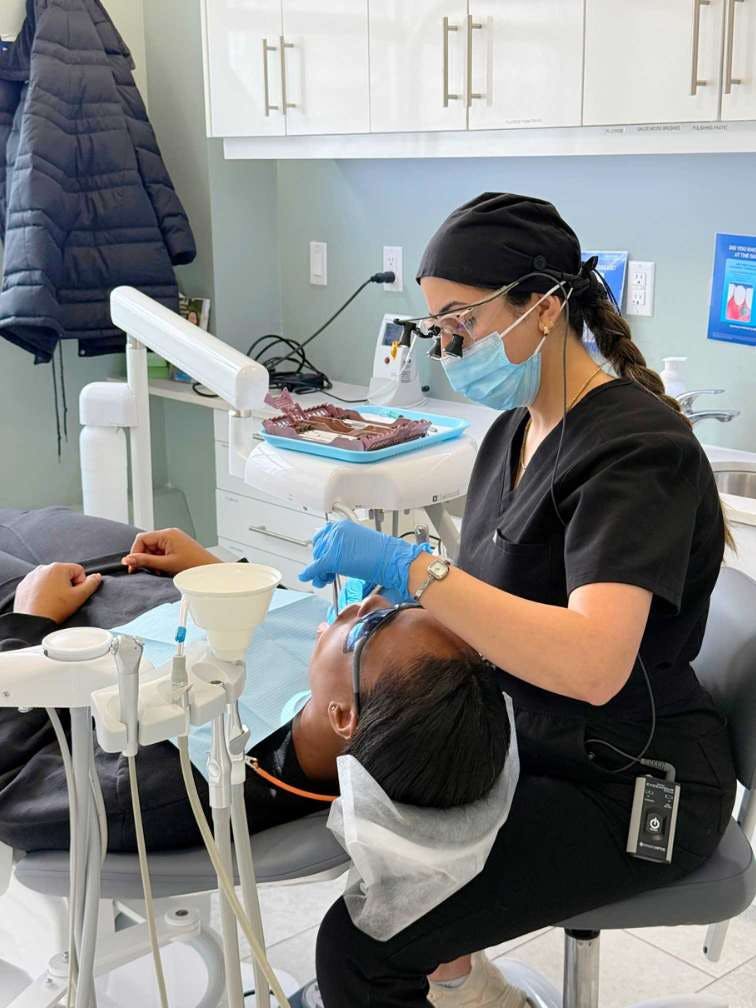
A deep cleaning is a therapeutic treatment. It is recommended when a patient shows signs of gum disease, such as bone loss or deep "pockets" where bacteria have moved below the visible surface.
Scaling:
The hygienist removes hardened tartar and bacteria from both above and below the gumline, reaching down into the pockets between the tooth and the gum.
Root Planing:
The hygienist smooths out the surface of the tooth roots. This removes bacterial toxins and makes it easier for the gums to reattach to the tooth, shrinking those deep pockets.
Comfort:
Because this involves cleaning beneath the gumline, local anesthesia is often provided to ensure a painless experience.
Deep Cleaning in North York
At Stonebrook Dental, we’re committed to providing gentle and effective scaling and root planing. Our experienced dental hygienists use the latest techniques and technologies to ensure comfort and achieve the best possible results.
Schedule Your CleaningIndications for Deep Cleaning
-
Preventative: Patients who want to reduce risk before gum disease starts
-
Time since last cleaning: Long gaps between dental visits

-
Localized issues: Dentist detects gum pockets deeper than 3–4 mm

-
Specific clinical signs:
- Deep pockets (≥4 mm) between teeth and gums
- Significant tartar buildup below the gumline
- Early gum disease signs such as red, swollen, or bleeding gums

Key Differences Between Regular and Deep Cleaning
| Feature | Regular Cleaning | Deep Cleaning |
|---|---|---|
| Target Areas | Above gumline | Above and below gumline |
| Depth | Superficial | Deep (root surface) |
| Tools | Standard scalers, polishers | Specialized scalers, curettes, possible anesthesia |
| Purpose | Maintenance | Prevention or treatment of gum disease |
| Frequency | Routine | As recommended based on dental exam |
Whether you need a regular cleaning or a deep cleaning, both procedures are essential for maintaining good oral health. Regular cleanings help prevent plaque buildup, while deep cleanings treat gum disease and help protect your teeth and gums long term.
At Stonebrook Dental, we’re committed to providing comfortable, effective dental care. If you have questions about your cleaning or need to schedule an appointment, contact our team to learn more.
Dentist North York
Book Online
Stonebrook Dental offers the ability to request your dentist appointments online. Schedule an appointment now!
Book Online