
Wisdom Teeth Removal in North York: Signs You Need Extraction and Recovery Tips
Posted by Dr. Nubia Díaz on Tue, 1 Sep 2026
Stonebrook Dental - Dentist North York
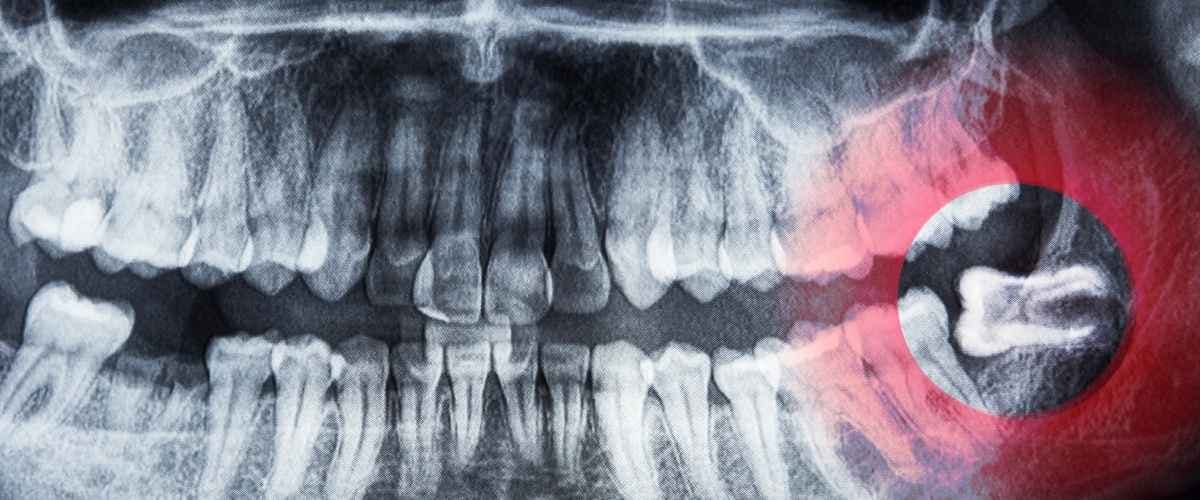
Wisdom teeth usually appear in the late teens or early twenties. While some people have enough room for them to erupt normally, others experience pain, swelling, infection, or problems with neighbouring teeth because the teeth become impacted.
If you are experiencing discomfort at the back of your mouth, you may be wondering whether you actually need your wisdom teeth removed. An examination and dental X-rays can help determine whether extraction is necessary and what treatment approach is best for you.
Why Do Wisdom Teeth Cause Problems?
Wisdom teeth are the four third molars located at the very back of your mouth. They are the last permanent teeth to develop and typically emerge during the late teens or early twenties.
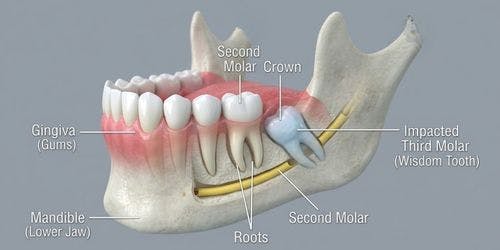
For many people, there simply is not enough room in the jaw for these additional teeth to erupt properly. When a wisdom tooth cannot come into its normal position, it may become impacted.
Impacted wisdom teeth can be difficult to clean and may contribute to recurring gum inflammation, infection, tooth decay, or damage to the neighbouring molars.

The 3 Common Types of Wisdom Tooth Impaction
Soft Tissue Impaction
The wisdom tooth has partially erupted, but gum tissue still covers part of the tooth. Food and bacteria can become trapped underneath the gum, increasing the risk of inflammation and infection.
Partial Bone Impaction
The tooth has emerged partially but remains partly covered by bone. Depending on its position, surgical extraction may be recommended.
Full Bone Impaction
The wisdom tooth remains completely enclosed by bone. Your dentist may recommend monitoring or removal depending on its position and potential risks.
5 Signs You May Need Wisdom Teeth Extraction
Not every wisdom tooth needs to be removed. However, certain symptoms can indicate that a wisdom tooth is causing a current problem or could create complications in the future.
-
⚠️
Persistent jaw pain or stiffness
Pain or pressure at the very back of your jaw may indicate that a wisdom tooth is erupting, impacted, or irritating the surrounding tissues. You may also notice difficulty opening your mouth or discomfort when chewing.
-
⚠️
Swollen or inflamed gums
A partially erupted wisdom tooth can create a pocket where food and bacteria become trapped. This can cause pericoronitis, an inflammation or infection around the tooth.
-
⚠️
Crowding or problems with neighbouring teeth
Depending on its position, an impacted wisdom tooth can contribute to food trapping, gum problems, decay, or damage involving the molar in front of it.
-
⚠️
Pressure or sinus discomfort
Upper wisdom teeth sit close to the maxillary sinuses. Problems involving an upper wisdom tooth can sometimes be associated with pressure or discomfort in the upper jaw and sinus area.
-
⚠️
Cavities, recurring infections, or cysts
Wisdom teeth can be difficult to brush and floss, making them more susceptible to decay and gum problems. Dental imaging can also identify cysts or other changes around an impacted tooth that may not cause symptoms.
When Should You Have Your Wisdom Teeth Checked?
| What You Notice | What It May Mean |
|---|---|
| Pain or pressure behind your back molars | A wisdom tooth may be erupting or impacted |
| Red, swollen or tender gum tissue | Possible inflammation or pericoronitis |
| Food repeatedly getting trapped | The tooth may be difficult to clean or partially erupted |
| Decay around a wisdom tooth | Limited access may be making the tooth difficult to maintain |
| No symptoms at all | An impacted tooth can still have potential risks, so routine dental imaging is important |
✓ What Happens During Wisdom Teeth Extraction?
The first step is a consultation and examination. Your dentist will evaluate the position of your wisdom teeth, the surrounding teeth and gums, and your overall oral health.
Dental imaging is often used to determine the position of the tooth and plan the safest approach. A panoramic X-ray may be sufficient, while more complex cases may benefit from 3D CBCT imaging.
Your dentist will also discuss anesthesia and sedation options. Depending on the procedure and your individual needs, treatment may involve local anesthesia, oral sedation, or IV sedation.
A fully erupted wisdom tooth may be removed with a straightforward extraction. Impacted teeth may require a surgical extraction, which can involve making a small opening in the gum, removing a limited amount of bone, or dividing the tooth into sections to facilitate removal.
Wisdom Teeth Extraction Recovery: What to Expect
Most patients experience some swelling, tenderness, and discomfort after wisdom tooth removal. Recovery depends on factors such as the number of teeth removed and whether the extraction was simple or surgical.
| Recovery Period | Care Tips |
|---|---|
| First 24 hours | Keep gauze in place as instructed, use an ice pack on your cheek in short intervals, rest with your head elevated, and avoid spitting or using straws. |
| Days 2–3 | Choose soft foods such as yogurt, applesauce, mashed foods, and lukewarm soups. After 24 hours, begin gentle saltwater rinses as directed. Avoid smoking, vaping, alcohol, and strenuous exercise. |
| Days 4–7 | Gradually return to more solid foods as comfortable. Continue brushing while being gentle around the extraction sites and contact your dental office if symptoms worsen. |
How to Avoid Dry Socket After Wisdom Teeth Removal
Dry socket, also known as alveolar osteitis, can occur when the blood clot that forms in the extraction site becomes dislodged or breaks down too early.
The blood clot is important because it protects the underlying bone and nerves while the extraction site heals. Activities that create suction or disturb the area can increase the risk of disrupting the clot.
- ✓ Avoid drinking through straws.
- ✓ Do not smoke or vape.
- ✓ Avoid forceful spitting or aggressive rinsing.
- ✓ Follow your dentist's instructions for cleaning the extraction sites.
- ✓ Choose foods that are unlikely to disturb the extraction area.
When Is Wisdom Tooth Pain an Emergency?
Some discomfort from an erupting wisdom tooth can be managed with a routine dental appointment. However, certain symptoms require prompt attention.
Contact a dentist promptly if you experience:
- Significant or worsening pain
- Increasing swelling around the jaw or face
- Fever or signs of infection
- Pus or drainage around the tooth
- Difficulty opening your mouth
- Difficulty swallowing
If swelling is affecting your ability to breathe or swallow, seek emergency medical attention.
✓ Wisdom Teeth Extraction in North York
If you are experiencing wisdom tooth pain, swollen gums, jaw stiffness, or recurring problems at the back of your mouth, an examination can help determine whether extraction is appropriate.
At Stonebrook Dental, our team can assess your wisdom teeth, review dental imaging, explain your treatment options, and help you understand what to expect before and after extraction.
You do not have to wait until your wisdom teeth become extremely painful before having them evaluated. Early assessment can help identify potential problems before they become more complicated.

Think You Need Your Wisdom Teeth Removed?
If you have pain, swelling, recurring infections, or concerns about an impacted wisdom tooth, schedule an assessment with Stonebrook Dental in North York.
Book a Wisdom Teeth ConsultationDentist North York
Book Online
Stonebrook Dental offers the ability to request your dentist appointments online. Schedule an appointment now!
Book Online